5/17/2026
Discover how slow RFQ turnaround can affect manufacturing profitability, customer response times, engineering productivity, and order conversion—and how CAD/CAM automation can help manufacturers respond faster.

In today's competitive manufacturing environment, customers expect fast and accurate quotations. When RFQ turnaround times are slow, businesses risk losing opportunities to competitors who can respond faster and provide greater confidence in pricing and delivery.
Manual programming, repetitive nesting tasks, disconnected systems, and inefficient workflows often create bottlenecks between receiving an inquiry and submitting a quote. By automating CAD/CAM processes and streamlining engineering workflows, manufacturers can reduce response times, improve quotation accuracy, and increase order conversion rates.
An RFQ is typically the starting point for a manufacturing order. A customer may provide CAD drawings, 2D profiles, 3D models, material specifications, quantities, tolerances, and other production requirements. The manufacturer must then evaluate whether the job can be produced and determine an appropriate price.
The RFQ process can involve several departments or individuals. Engineering may review the drawings, production teams may evaluate machine capabilities, purchasing may check material availability, and sales may prepare the final quotation.
When these activities are handled manually or through disconnected processes, quotation preparation can take significant time.

One of the biggest hidden costs of slow RFQ processing is the potential loss of business. When a quotation takes too long, customers may move forward with another supplier before receiving a response.
This loss may not appear as a direct expense in the company's accounts. There is no invoice showing the lost opportunity, but the potential revenue is still gone.
For manufacturers receiving a large number of RFQs, even a small percentage of missed opportunities can have a meaningful impact on annual sales.

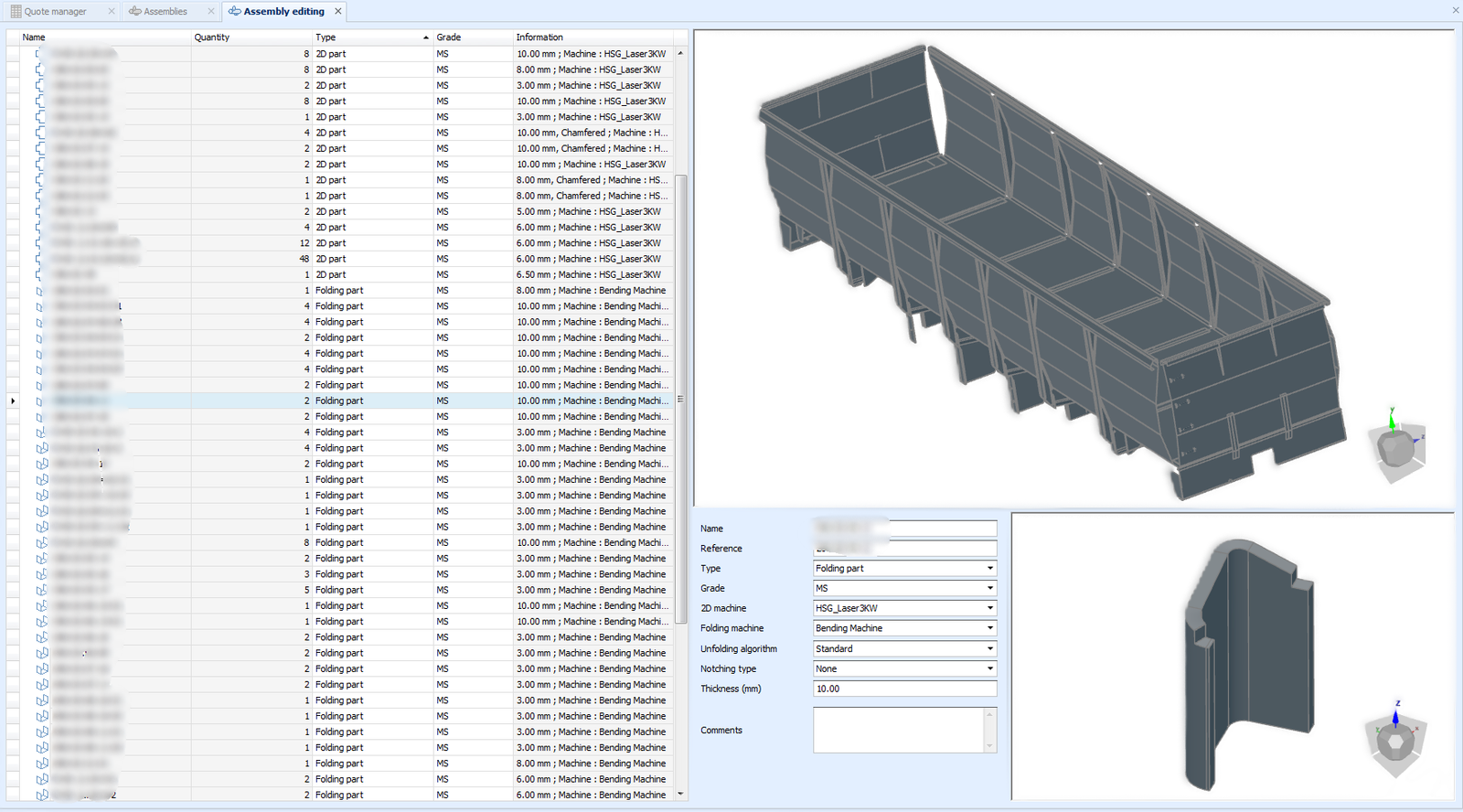
Manufacturing RFQs often contain multiple CAD files or drawings. Before preparing a quotation, engineers may need to review dimensions, identify part quantities, check material specifications, understand geometry, and determine the appropriate manufacturing process.
When this information is reviewed manually for every RFQ, the process can become slow, especially when customers send large assemblies or complex component sets.
A more structured digital workflow can help engineering teams organize and evaluate manufacturing information more efficiently.

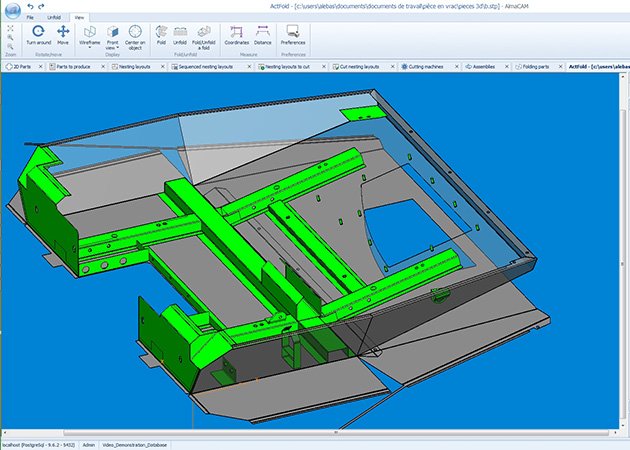
CAD/CAM software can help manufacturers move from customer design information toward manufacturing data more efficiently. Instead of treating the RFQ drawing as an isolated document, the manufacturer can use digital part information to evaluate production requirements.
This can help engineering teams understand the component geometry, manufacturing process, material requirements, and potential cutting operations at an earlier stage.
For sheet metal manufacturers, integrating CAD/CAM capabilities into the quotation workflow can help reduce the amount of manual technical work required before a quote is prepared.

A quotation that is too low can be just as problematic as one that is too slow. If material, machine time, programming effort, or production complexity is underestimated, the manufacturer may win the order but discover that the expected margin is significantly lower.
Digital manufacturing tools can help provide more structured information for estimating material and production requirements.
Better technical information during the RFQ stage can therefore help manufacturers balance competitiveness with profitability.
One of the major inefficiencies in traditional manufacturing workflows is repeating the same work at different stages. Information may be analyzed during quotation preparation and then recreated again when the order reaches engineering and production.
A connected CAD/CAM workflow can help reduce this duplication. Information generated during the quotation or feasibility stage can become a useful starting point for production preparation.
This creates a smoother transition from sales to engineering and eventually to the shop floor.
 CADCAM Automation Systems
Advanced CAD/CAM Software for Sheet Metal Manufacturing
Products
Industries