CAD/CAM Insights · Nesting
Discover how fabricators lose valuable time between quotation and production — and how modern CAD/CAM solutions help reclaim efficiency.
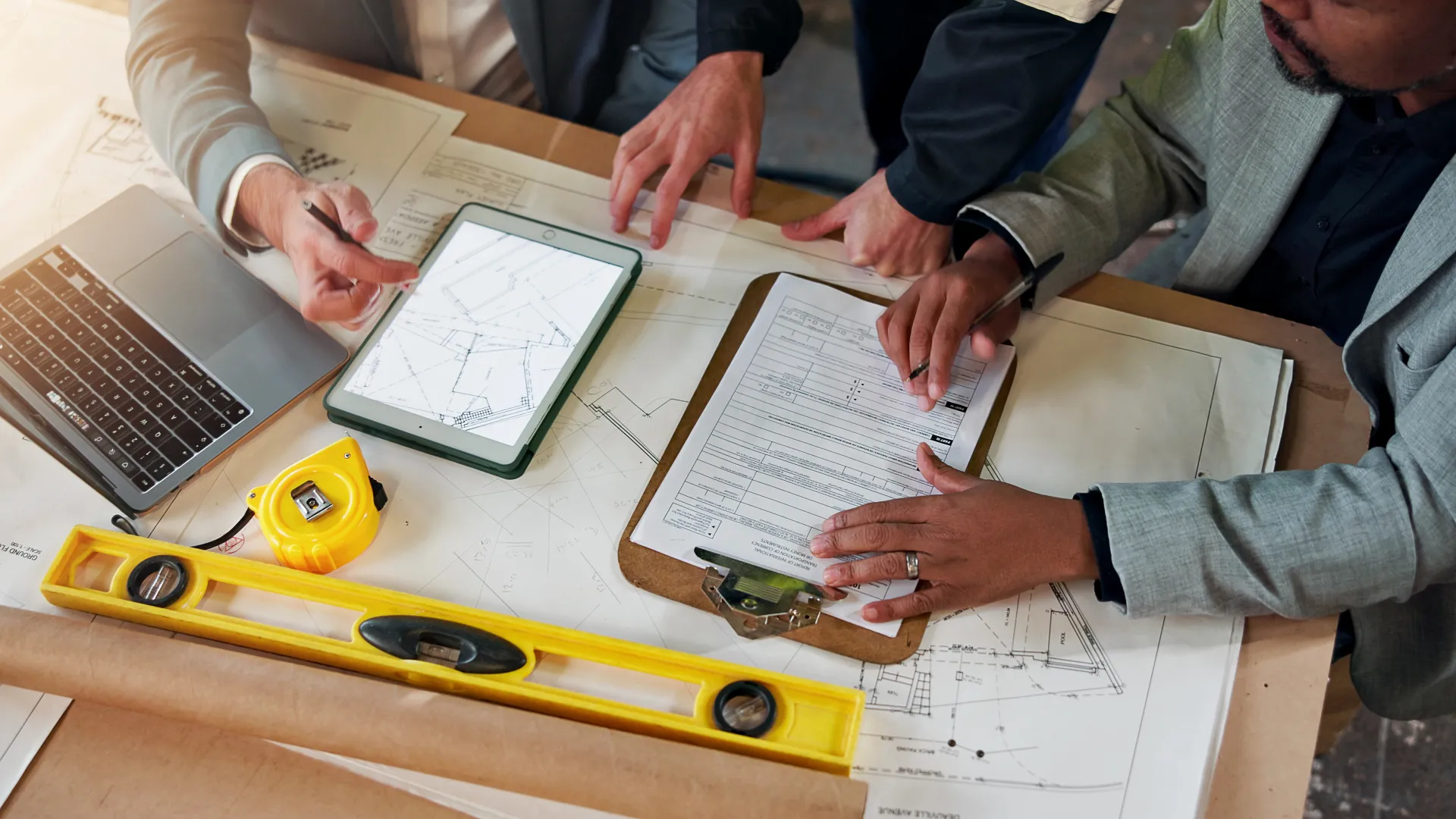
Fabrication shops live and die by efficiency. Customers expect fast quotes, accurate delivery dates, and flawless parts. Yet, many fabricators lose valuable time in the transition from quotation to production. This gap is often caused by manual quoting, disconnected systems, and repeated data entry.
When sales teams prepare quotes without live material data, engineers must re‑verify everything before production. This duplication wastes hours, creates errors, and frustrates customers. Modern CAD/CAM systems solve this by linking quotation, nesting, and production into one digital thread.
The quotation stage is often treated as a separate process, disconnected from engineering and production. Sales teams prepare quotes using spreadsheets or outdated databases, often without access to real‑time material costs or machine availability. Once the order is confirmed, engineers must re‑enter drawings, validate dimensions, and prepare nesting files from scratch. This duplication of effort not only wastes time but also introduces opportunities for mistakes. A single miscalculation in material thickness or bend allowance can derail an entire production schedule. The lack of integration between quoting and production systems creates a bottleneck that slows down the entire workflow, leaving customers waiting and machines idle.

Lost time between quotation and production is more than just an inconvenience — it directly affects profitability. Idle machines mean wasted capacity, operators waiting for instructions lose valuable hours, and customers grow frustrated with missed deadlines. Overhead costs rise as projects take longer to complete, while inaccurate quotes erode profit margins. In competitive markets, even small delays can push customers toward faster, more efficient competitors. The hidden cost of inefficiency is not just in hours lost but in opportunities missed, reputation damaged, and long‑term profitability compromised.

Modern CAD/CAM solutions are designed to eliminate silos by connecting quotation, nesting, and production planning into one seamless workflow. Instead of treating quoting as a separate task, these systems integrate material databases, machine parameters, and cutting strategies directly into the quoting process. This ensures that every estimate is based on real production data, reducing errors and speeding up turnaround times. Tools like SigmaNEST automate nesting to maximize material usage, while 3DEXPERIENCE enables cloud collaboration across teams. CADCAMSYS goes further by embedding machine parameters into quotes, ensuring that estimates reflect actual production capabilities. Together, these solutions create a digital thread that links customer inquiry to finished part without interruption.

Fabricators worldwide are proving the measurable benefits of CAD/CAM integration. A mid‑sized shop that previously relied on manual quoting reduced its quoting time by 70% after adopting SigmaNEST. This not only accelerated customer response but also improved material utilization by 15%, saving thousands in costs. Another manufacturer using 3DEXPERIENCE reported fewer communication errors and faster transitions from design to production, thanks to real‑time collaboration tools. CADCAMSYS users found that integrating machine parameters into quotes reduced rework and improved scheduling accuracy. These examples highlight that digital transformation is not just theoretical — it delivers tangible results in speed, efficiency, and profitability.
The next evolution in fabrication lies in automation powered by artificial intelligence. Predictive quoting will allow systems to forecast material usage and cutting times with remarkable accuracy. Smart nesting algorithms will automatically minimize waste, while real‑time analytics will optimize machine scheduling to ensure maximum utilization. Shops that embrace these technologies will not only reduce inefficiencies but also gain a competitive edge in delivering faster quotes, leaner production, and superior customer experiences. The future of fabrication is about creating a fully connected ecosystem where data flows seamlessly, decisions are automated, and efficiency is built into every stage of the process.
 CADCAM Automation Systems
Advanced CAD/CAM Software for Sheet Metal Manufacturing