5/17/2026
Material waste directly impacts profitability in sheet metal manufacturing. Discover five proven strategies to reduce scrap, improve material utilization, and increase productivity using modern CAD/CAM nesting software.

Sheet metal scrap is a common challenge in fabrication and manufacturing. Every unused section of a sheet represents material that has been purchased but does not become part of the finished product. When scrap accumulates across hundreds or thousands of production jobs, it can have a significant effect on manufacturing costs.
Reducing scrap does not necessarily mean changing the material itself. In many cases, manufacturers can improve material utilization through better part nesting, remnant management, cutting strategies, production planning, and CAD/CAM automation.
With the right digital manufacturing workflow, manufacturers can make better use of every sheet while maintaining production quality and meeting customer requirements.
The first and often most effective way to reduce sheet metal scrap is to improve how parts are arranged on the sheet. Poorly positioned components can leave large unused areas between parts, along edges, or around irregular geometries.
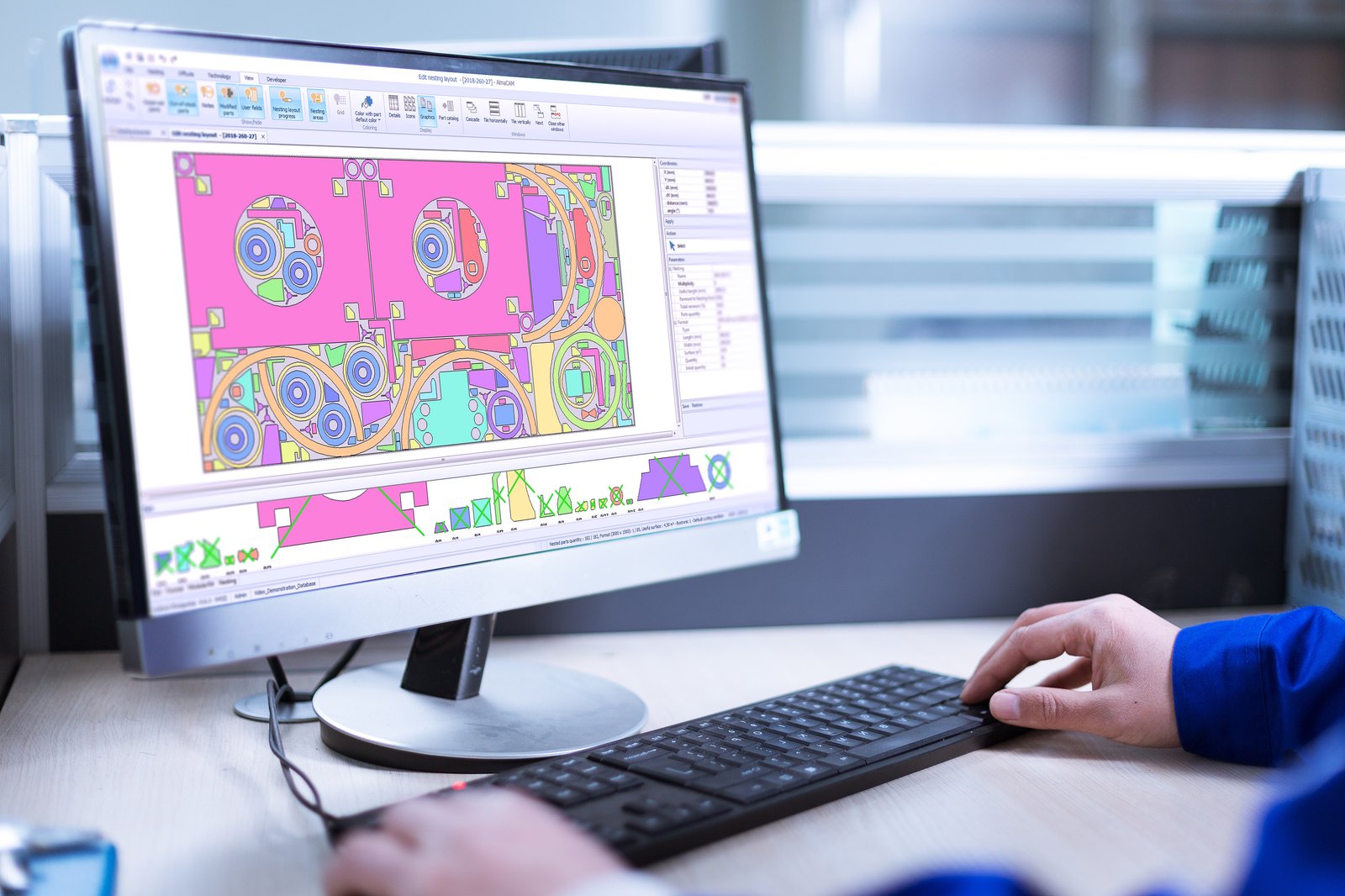
Nesting software analyzes the shape and quantity of components and determines an efficient arrangement within the available sheet. Instead of manually placing every component, manufacturers can use automated nesting strategies to identify layouts that make better use of the available material.
For high-volume production, even a small improvement in material utilization can result in substantial savings over time. This makes nesting an important part of a cost-effective sheet metal manufacturing process.
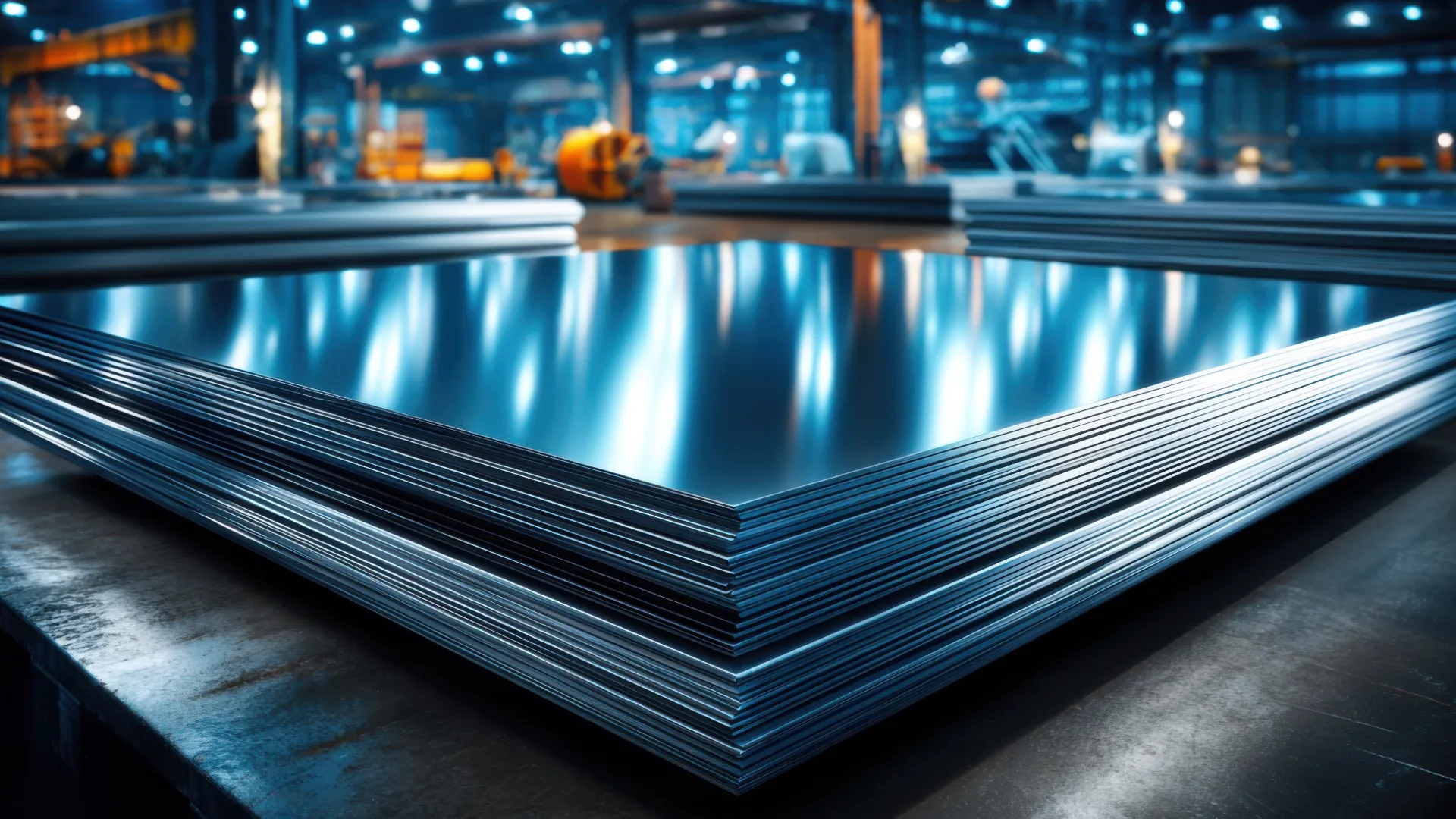
Not every remaining piece of sheet metal needs to become waste. Large and usable remnants can often be stored and reused for future components, particularly smaller parts.
Without a proper remnant management process, these pieces may be mixed with scrap material or forgotten in the storage area. Manufacturers may then purchase a new sheet for a small component even though suitable material is already available.
A digital remnant-management workflow can help identify usable offcuts and make them available for future nesting jobs.
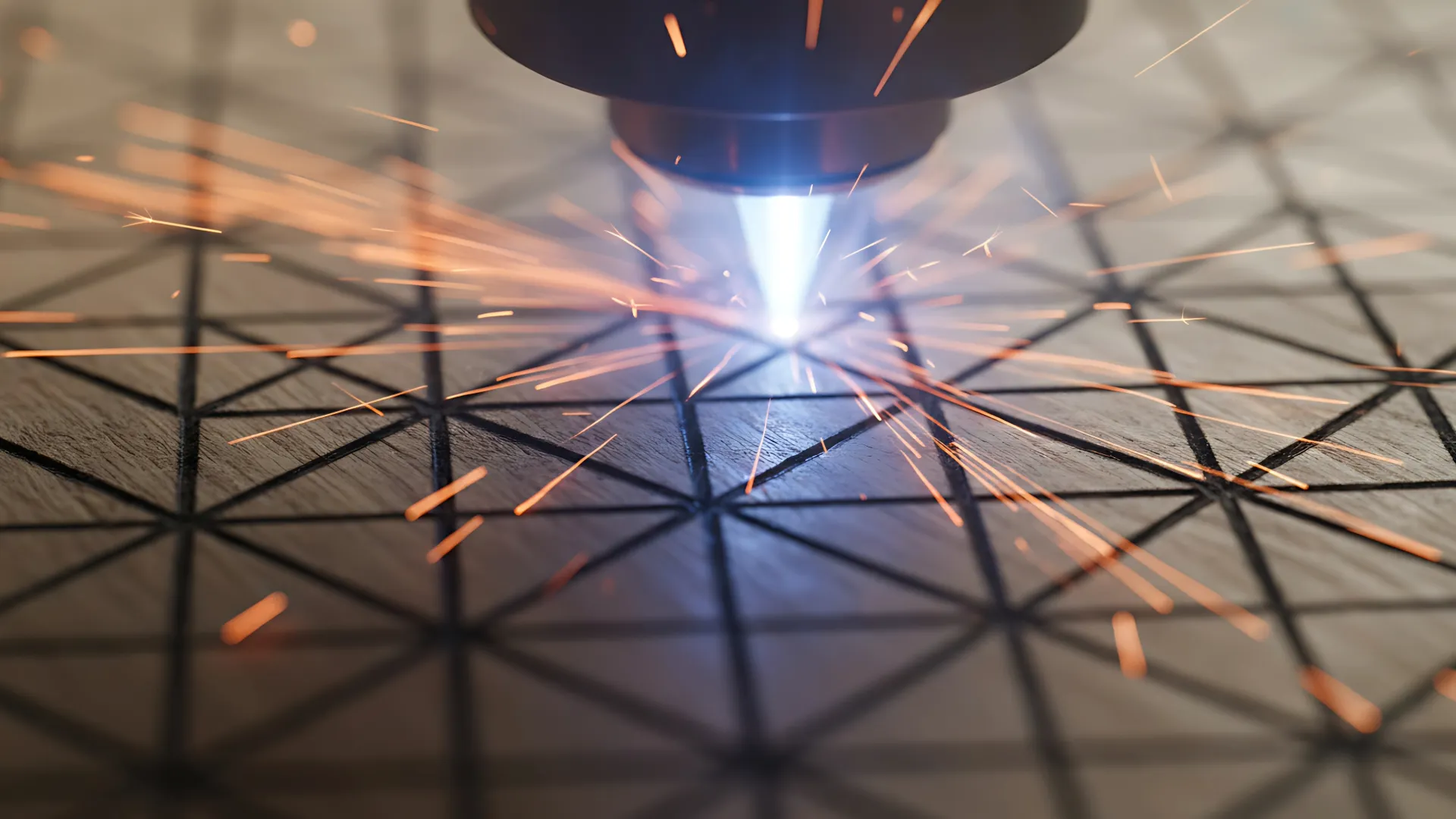
Material utilization depends not only on where parts are placed but also on how the cutting machine moves between them. Poor cutting sequences can create unnecessary movements, additional piercings, and longer cutting cycles.
CAD/CAM software can optimize cutting paths and sequences according to the machine and manufacturing process. Efficient toolpaths can help reduce unnecessary machine movements while improving overall cutting productivity.
For manufacturers running CNC machines continuously, optimizing cutting operations can improve both material efficiency and machine utilization.
A nesting strategy that ignores these requirements may reduce scrap but create problems later in fabrication. The best nesting approach balances material efficiency with manufacturing requirements.
CAD/CAM software can help programmers control part orientation and apply manufacturing constraints while still optimizing the available sheet area.
Manual nesting requires programmers to make repeated decisions about part placement, spacing, orientation, and cutting order. When production volumes are high, small inefficiencies can accumulate across many jobs.
CAD/CAM automation can help standardize these processes and reduce the amount of repetitive manual work involved in nesting and CNC programming.
With automated nesting and manufacturing rules, programmers can create more consistent production jobs while spending less time manually arranging individual components.
Reducing scrap directly improves the amount of finished product obtained from each sheet. When more of the purchased material becomes usable components, the effective material cost per part can decrease.
This becomes particularly important when manufacturers process expensive materials such as stainless steel, aluminum, copper, or other specialty metals.
Even small improvements in material utilization can generate meaningful savings when applied consistently across large production volumes.
 CADCAM Automation Systems
Advanced CAD/CAM Software for Sheet Metal Manufacturing
Industries